Campus as commons- a new project led by the Power of Public Spaces team
Dr Miriam Williams writes about a new case study being conducted by the Power of Public Spaces Team. The project explores the role of universities as public spaces in densifying urban neighbourhoods. Joining the team are Dr Caragh Threlfall, an urban ecologist from the School of Natural Sciences, and Alex Hill, a sociology PhD candidate and researcher on the project, and a team of students from ARTS3000.
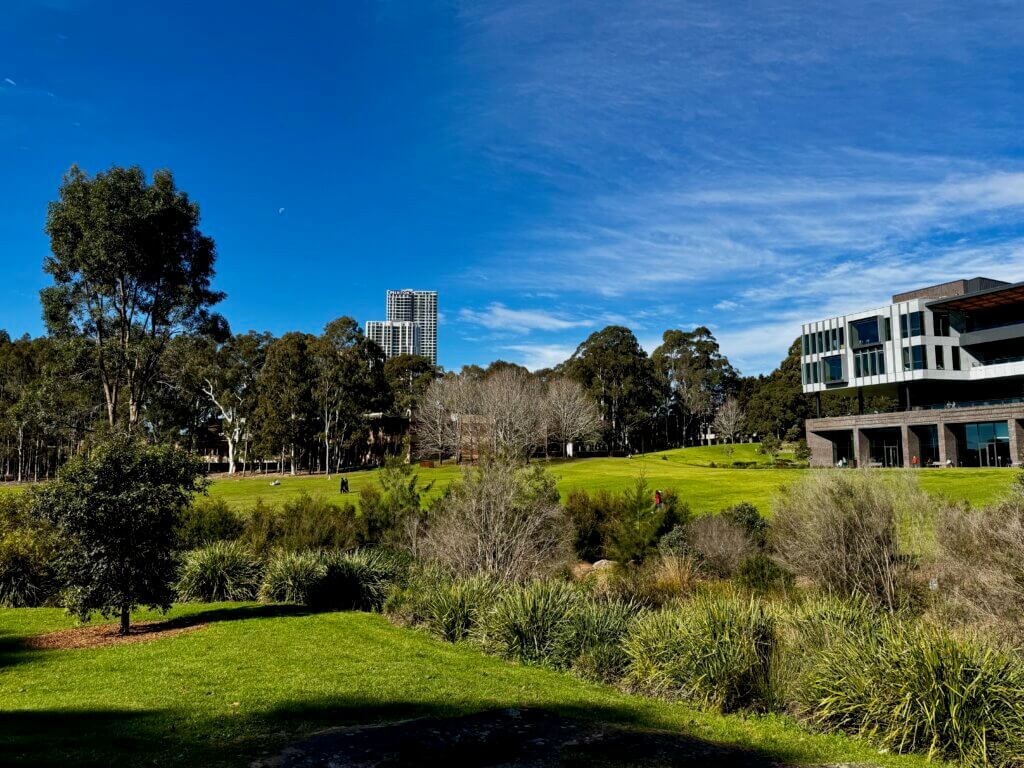
Densifying Cities increase demand for public space
As cities densify, there is growing demand for public spaces as sites of connection and recreation. In the Macquarie Park neighbourhood adjacent to Macquarie University, there has been a significant growth in apartment dwellings, with the Mid-Town Macquarie Park development alone expected to increase the previously named Ivanhoe Estate from 269 to 3,300 dwellings. By 2036, it is projected that Macquarie Park will have the one of the lowest per capita provision of open spaces within the City of Ryde.
Population increases have implications for the broader public space network, with more people seeking to access open and green spaces. Over time there will be greater need for parklands, parks, social infrastructure, sporting fields, and sites for recreation and connection. This is noted in open and public space strategy and planning that has been instigated by the City of Ryde and completed by SGS Economics in 2021:
Projected population growth will generate demand for additional open space. Using benchmarks, the City is projected to be undersupplied at a whole of City level by 2036 but it will not be possible to provide additional open space at levels prescribed by traditional benchmarks.
- Open Space Future Provision Strategy, SGS Economics, 2021
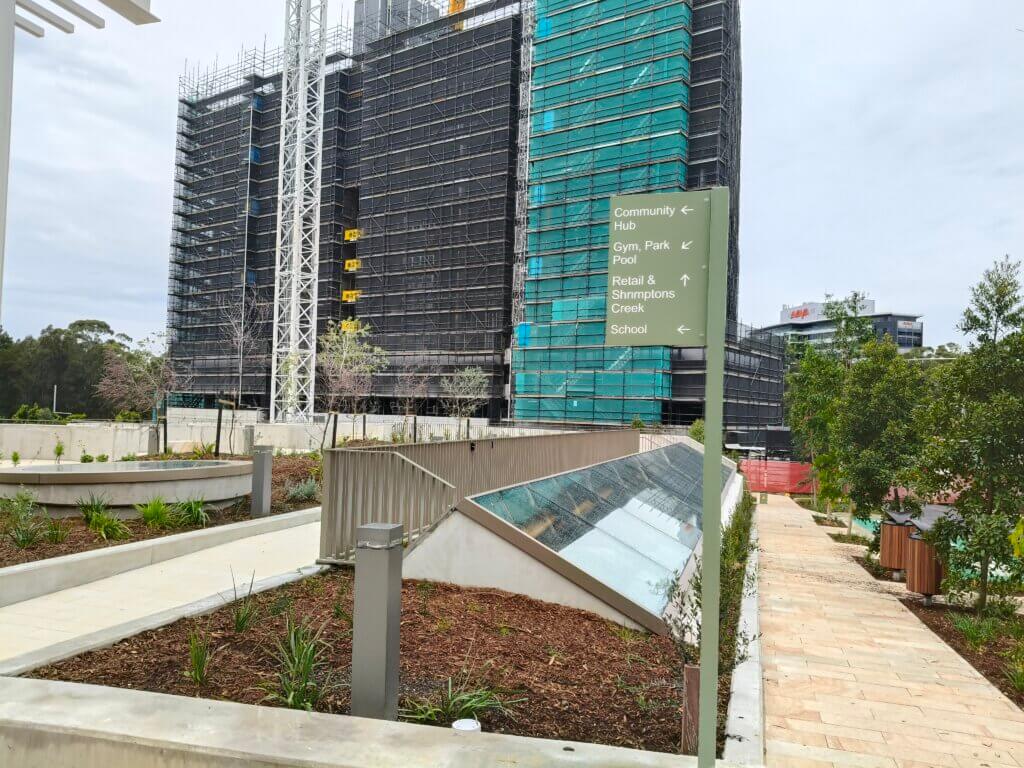
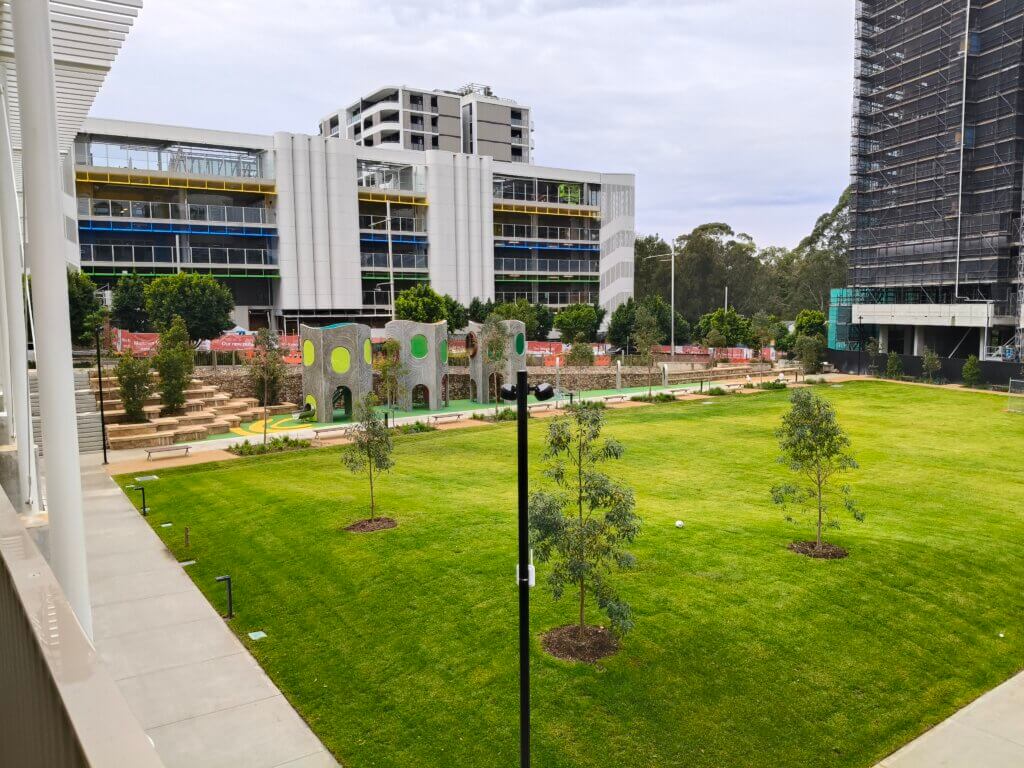
Photos by Miriam Williams of the Mid Town Mac Park development
Universities emerge as quasi-Public Spaces
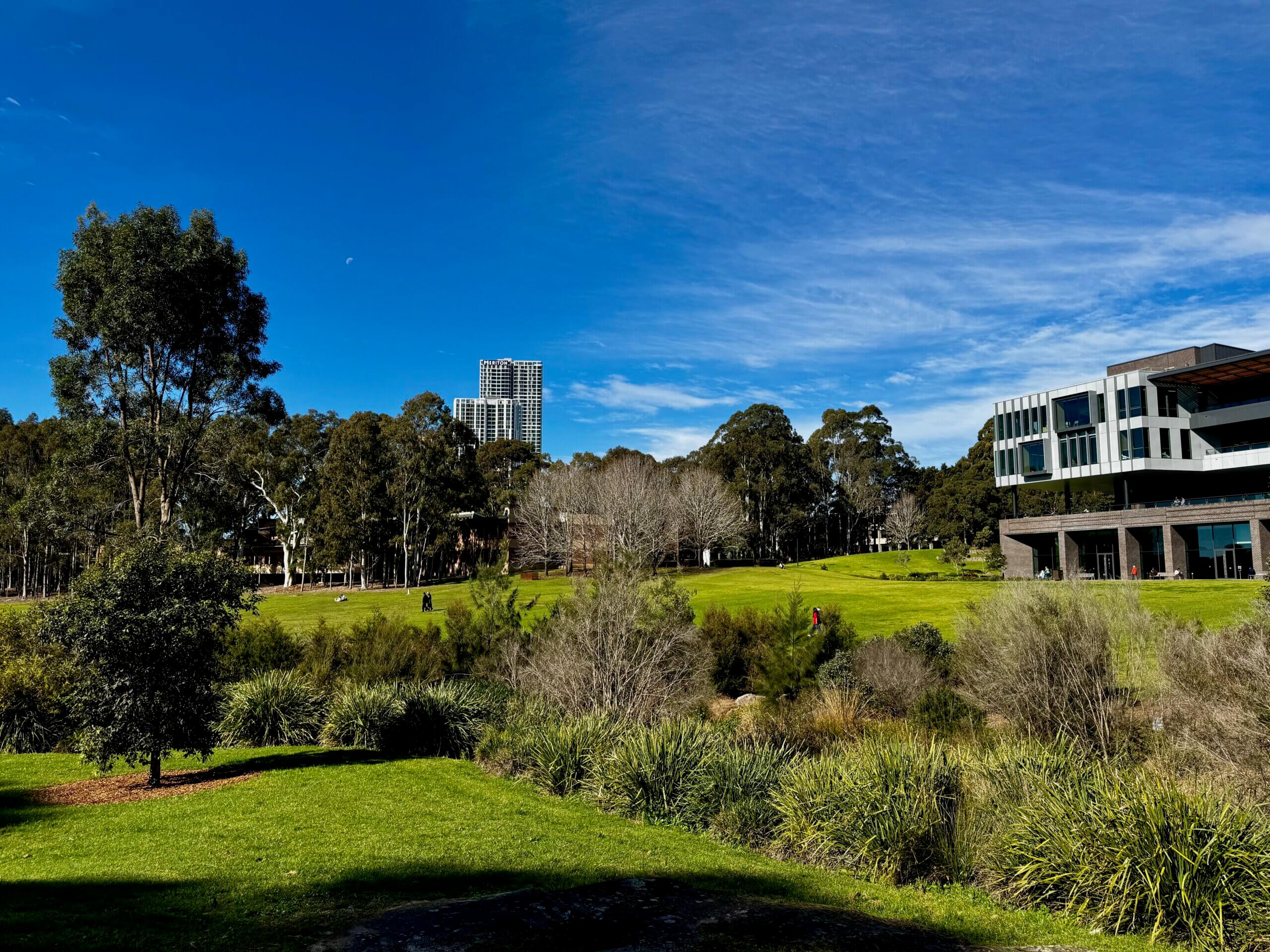
Macquarie University Wallumattagal campus has a long history as a site of gathering. It is strategically located on a significant amount of green space and is home to many different types of publicly accessible open and cultural spaces. These spaces include Australia’s largest sculpture park, an art gallery, library, history museum, sports and aquatic centre, arboretum, unique plant and animal communities and sports fields.
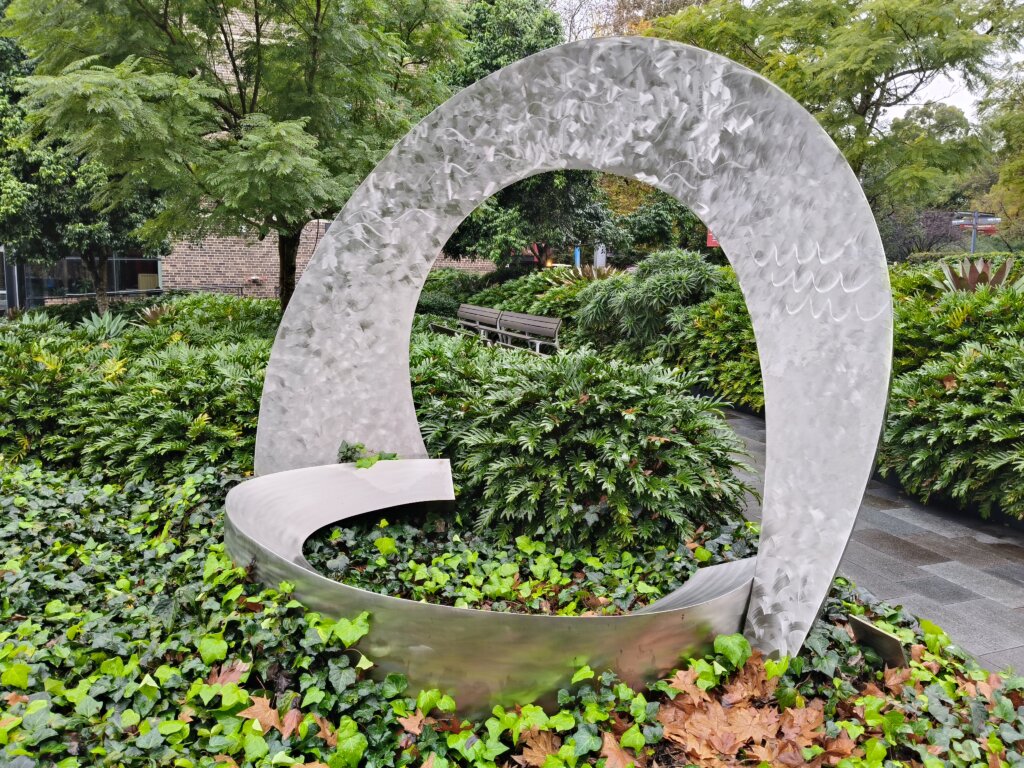
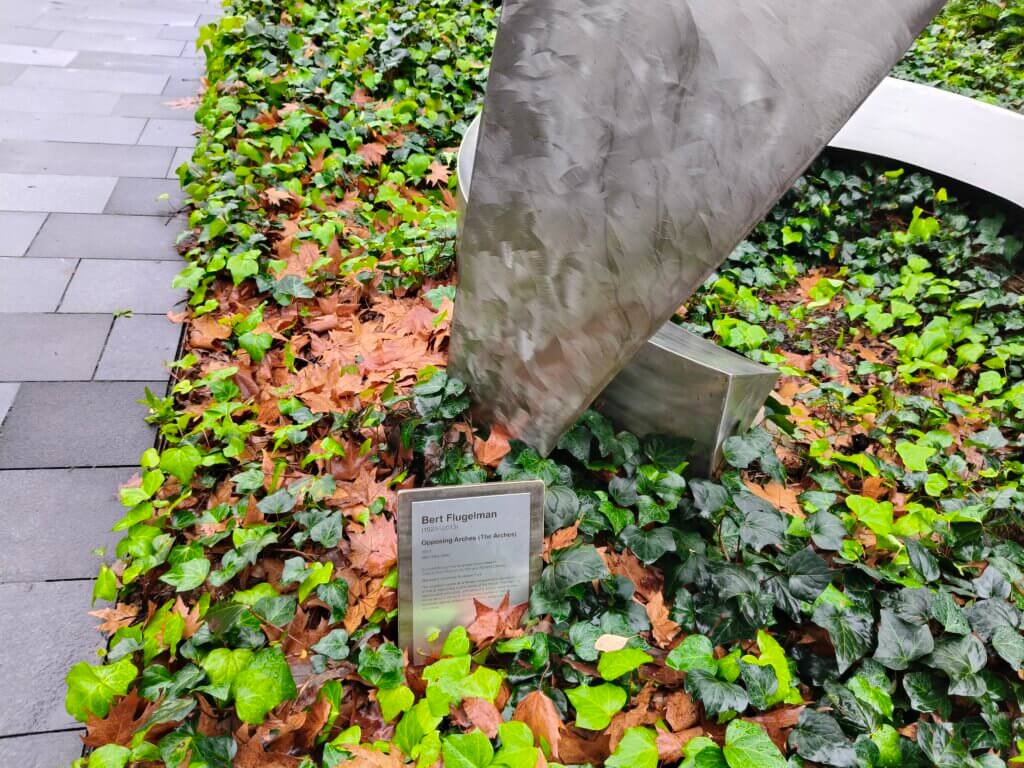
Photos by Miriam Williams of some of the Sculptures on campus
Universities are large land holders in many cities globally. Proximate to a significant amount of residential development, we are interested to understand how people are accessing, using, engaging with, experiencing and connecting to the different places of Wallumattagal campus. The many paths, green spaces, campus courtyard and hospital area are regularly used by residents, workers, staff and students who frequent campus. The campus is also the location of a weekly park run and regularly hosts people walking through with their pets and friends as people enjoy the campus and its environment.
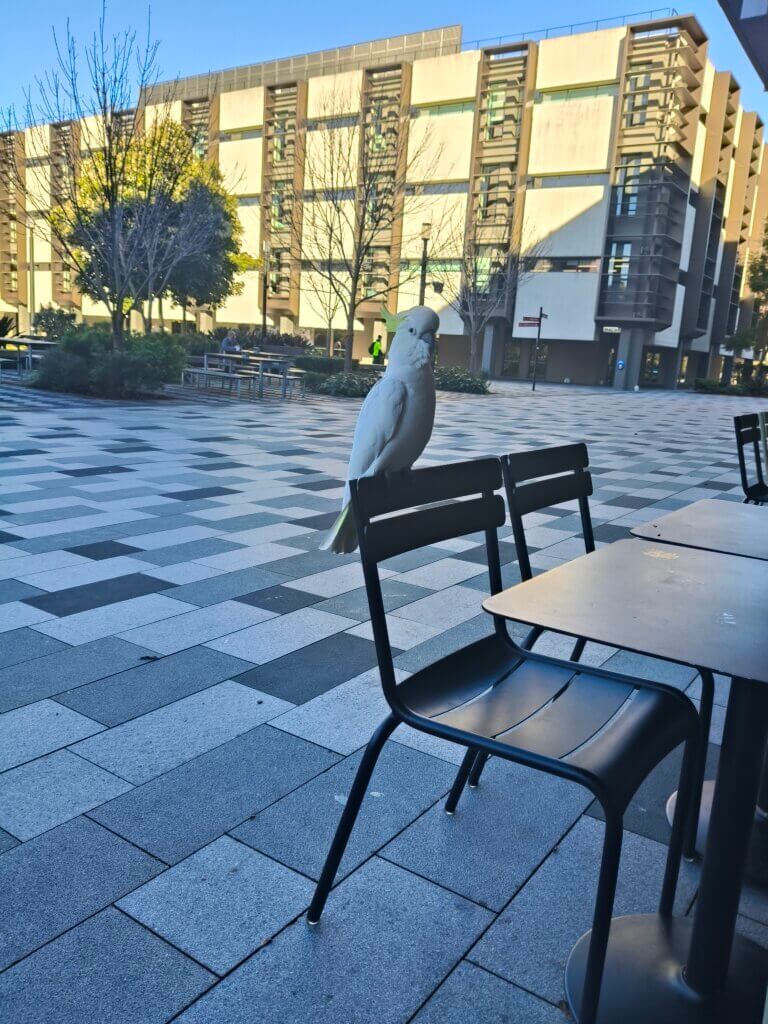
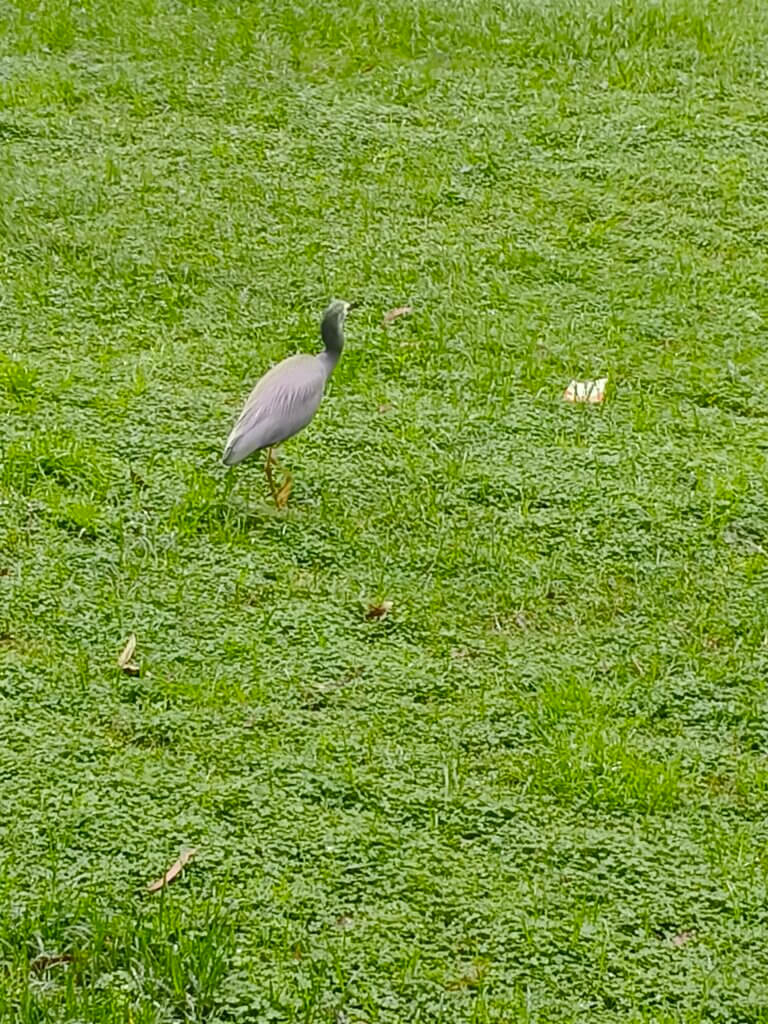
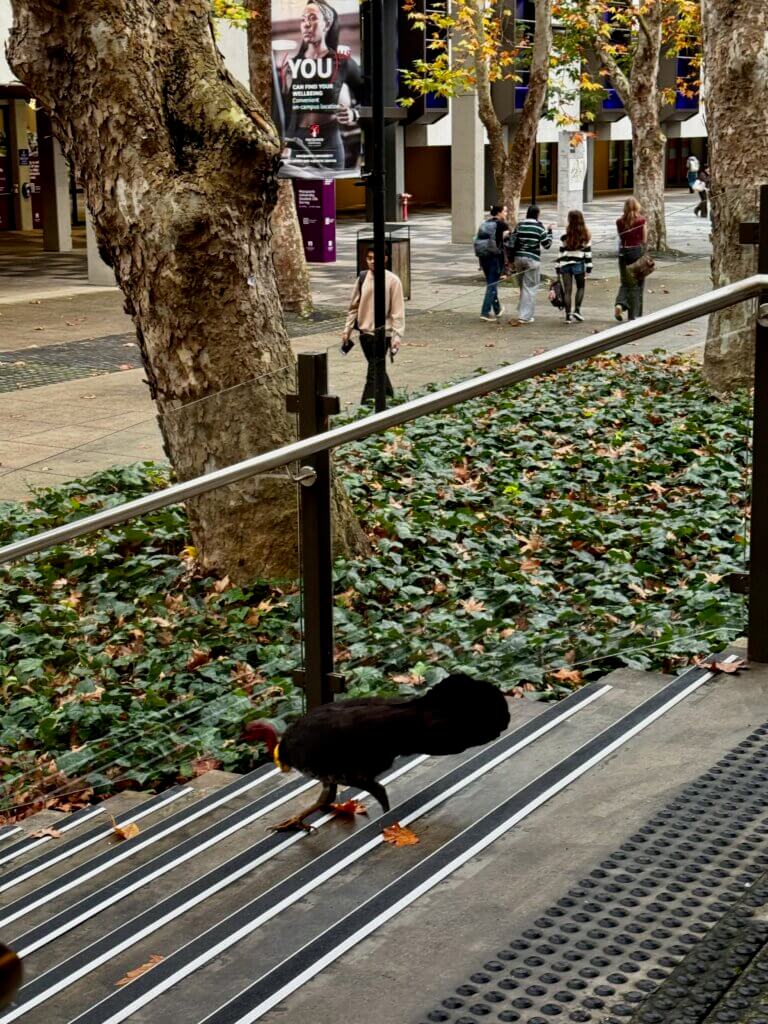
Photos by Miriam Williams and Donna Houston of campus wildlife encounters
Learn more about the wildlife on Wallumattagal campus by exploring the Story Map available here:
https://storymaps.arcgis.com/stories/c078590bee5e496e967f33d1f8a1b4a6
The Campus as Commons Project
Over the next year we will be conducting a case study of Macquarie University Wallumattagal campus. Through observations, intercept surveys, online survey and interviews, we will examine how campus spaces are shared, accessed and managed within a neighbourhood experiencing redevelopment and rising demand for public space. We are looking forward to exploring and better understanding how Australian university campuses function as public spaces, how people use and experience them, and what this means for the future of densifying neighbourhoods.
If you are interested in this work and want to participate in the survey, please keep an eye on the PPS website for updates.
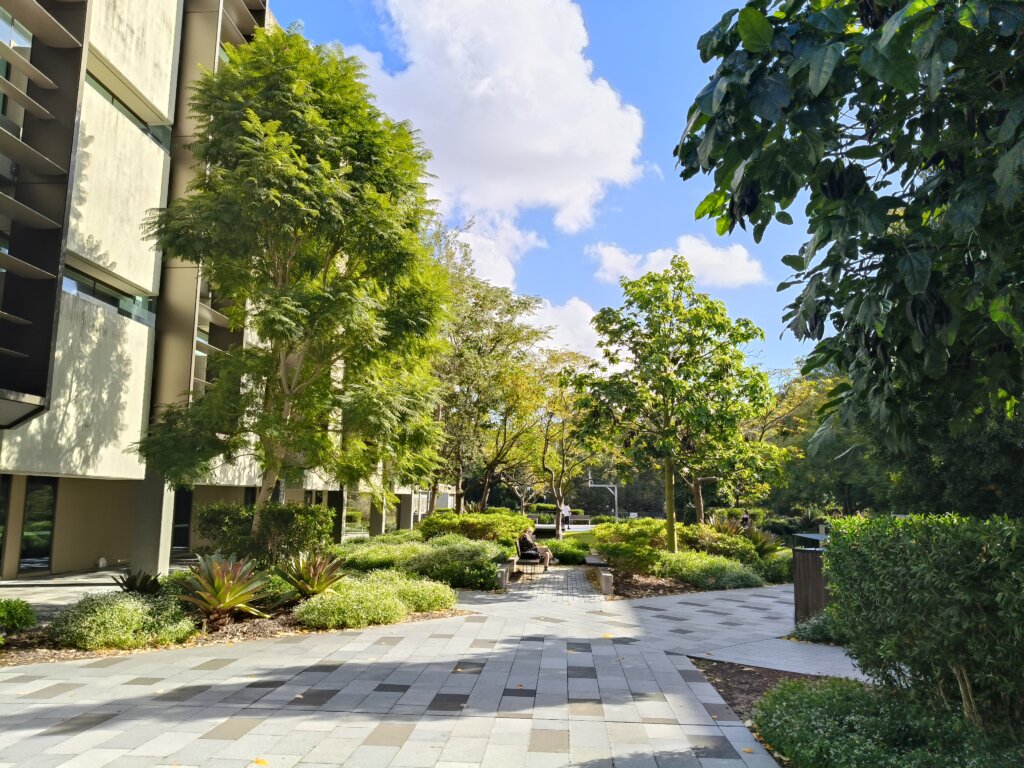
Photo by Miriam Williams