On public space:
an interview with
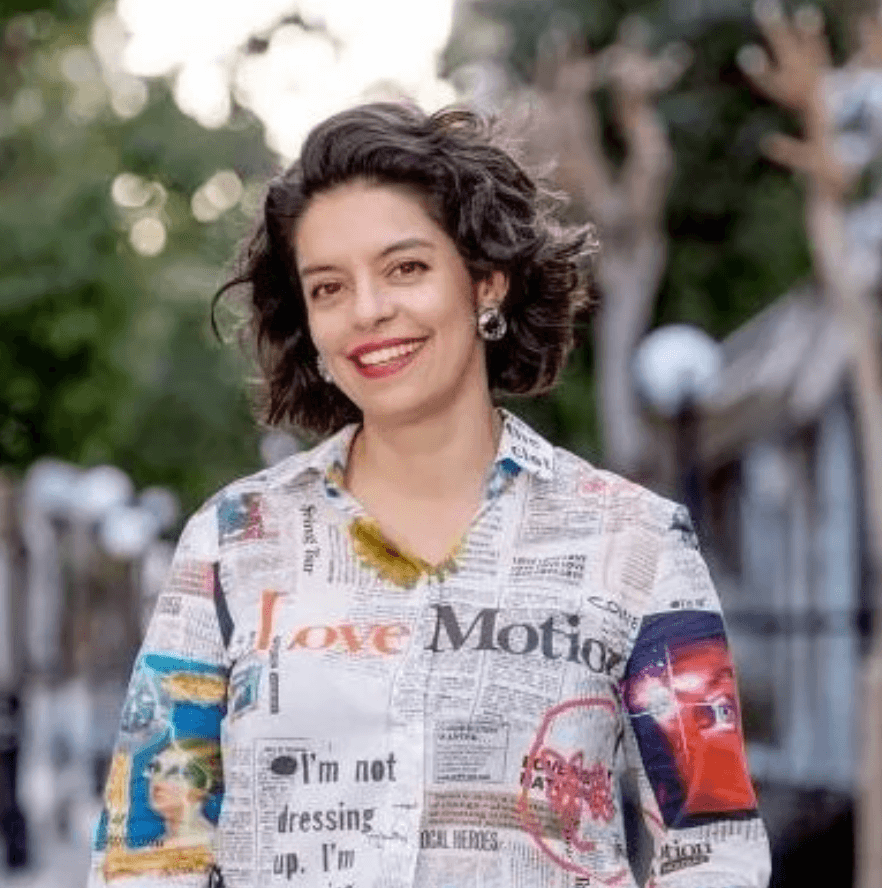
Professor Catalina Ortiz
Catalina Ortiz is Professor of Critical Urban Pedagogy at University College London. She is a Colombian urbanist, educator, and scholar passionate about spatial justice. Catalina holds a BA in Architecture and a Master’s degree in Urban and Regional Studies from the Universidad Nacional de Colombia, and a PhD in Urban Planning and Policy from the University of Illinois at Chicago, completed as a Fulbright Scholar.
Her work draws on decolonial and critical urban theory, using creative methodologies to study the politics of space production and foster more just cities and the recognition of multiple urban knowledges. Her research focuses on reparative urban praxis, critical urban pedagogies, planning for equality, and southern urbanisms. Her articles have been published in journals including the International Journal of Urban and Regional Research, Planning Theory, Environment and Urbanization, Urban Studies, City, Cities, and Transactions of the Institute of British Geographers. She joined the Bartlett Development Planning Unit at University College London in 2015 and since 2024 has served as Director of the UCL Urban Laboratory. Catalina is also Editor of the journal Urban Studies and chair of the Wards Corner Community Benefit Society.
What does public space mean to you?
For me, the meaning of public space encapsulates the possibility of being together: a setting that enables collaboration, that enables encounter with strangers, that enables us to bring the selves that perhaps we cannot really show in the intimate space. I think public space is not just a definitive concrete space but also an aspiration of how many areas of our cities and our territories should be governed, having in mind the needs and aspiration of the many. That's why, for me, public space encapsulates the hope of working towards a collective, better future.
How have your experiences of place shaped the kind of work you do today?
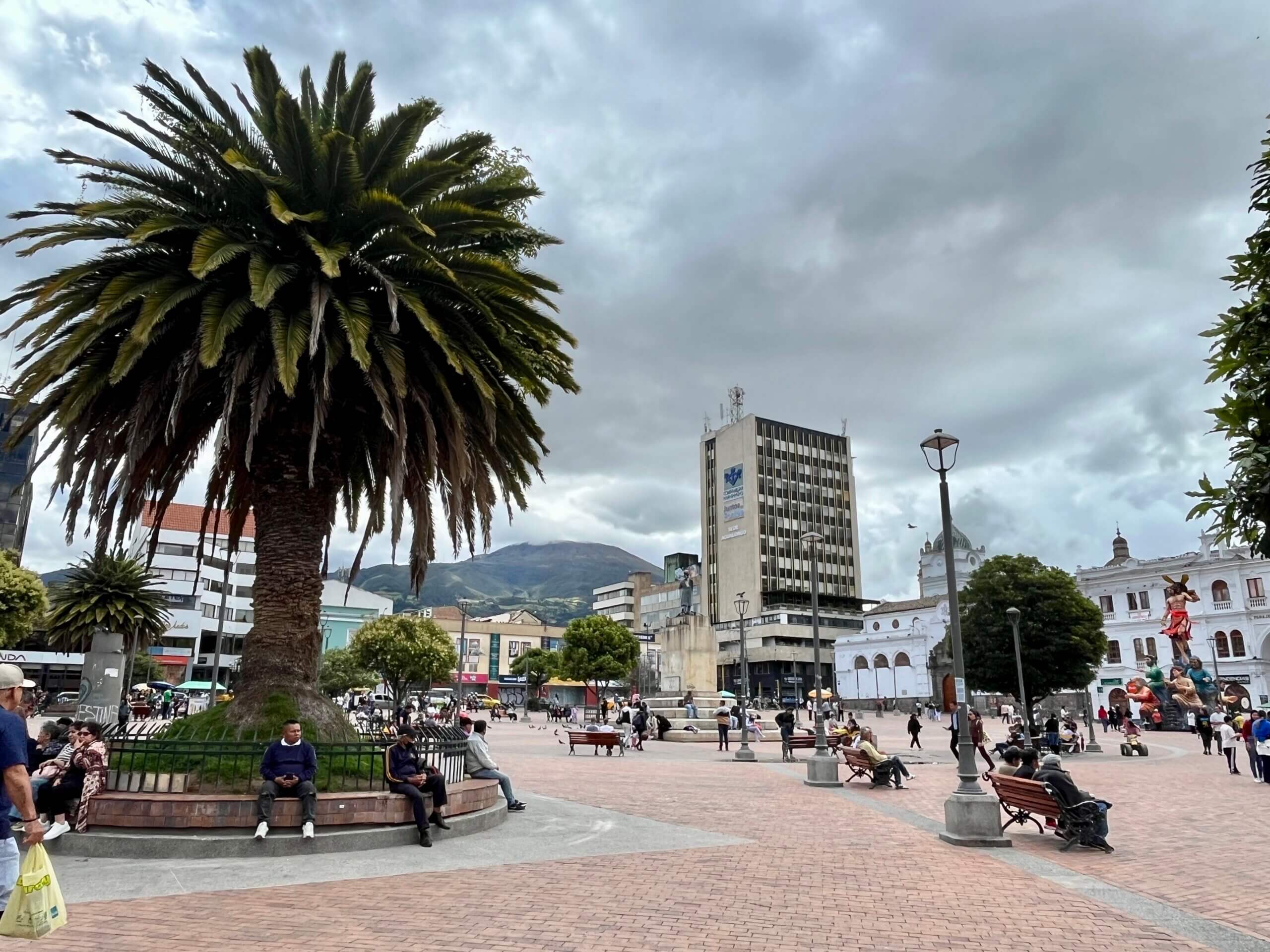
I come from Pasto, Colombia, from a city that is, one could say, on the periphery of the periphery. Just to give you a sense, from my hometown you need to take a bus to get to the capital, and it would take 24 hours. The sense of being brought up in a place that hasn't been at the centre of attention of the nation state made me think a lot about the relationship between the centre and the periphery. Also, my experiences of the limits of being able to actually navigate the city, as a girl then as a woman, which were marked by fear, and by spaces where we were told not to go, made me think a lot about public space in a way that considered the lack of it, rather than the presence of it.
Later on, I was studying architecture and visiting or seeing or learning about the history of cities and urban design. One day I saw the magnificent Central Park in New York, not because I was there, but because I was learning about the kinds of beautiful public spaces and the possibilities of them. I started thinking, why don't we have more of those types of parks in the cities of Colombia?
What started as a question coming more from my designer's perspective, soon became a question that helped me to push the boundaries of what the discipline of architecture and urban design would allow you to answer, because it's not only about the ability or the premises for designing a better place, but really questioning who governs the city, who has the resources, what would it take to actually make these transformations–massive transformations–in cities that lack public spaces or spaces to walk safely. So, I think where I come from has shaped profoundly the way in which I understand the acute need for having decent spaces to live and spend your time.
You've acknowledged the importance of 'urban knowledges' in your work. What are they, and what does valuing them look like?
I think for us designers and planners, we always talk about spatial justice, which is connected with this question about knowledge. But often we don't recognise, we think that the 'expert' is the one that knows what's better for the different groups of inhabitants of the city. However, just centring the expertise of very few privileged is kind of overlooking the wide range of imaginations, of aspirations, but also needs and problems. If you don't hear from the people that actually inhabit the city about their own struggles, then you are not really aware of what is really needed and required. Perhaps you need to learn to see the city anew and, most of the time, to unlearn what you've been told in the traditional kind of academic spaces.
You need to learn to see what people have done by themselves, to understand what some call 'people's technologies', which adapt and enhance spaces often despite, beyond, and against the state, rather than because of the action of the state.
Professor Catalina Ortiz
Is there a particular public space that really resonates with you in your life, and what is it about it that's so special?
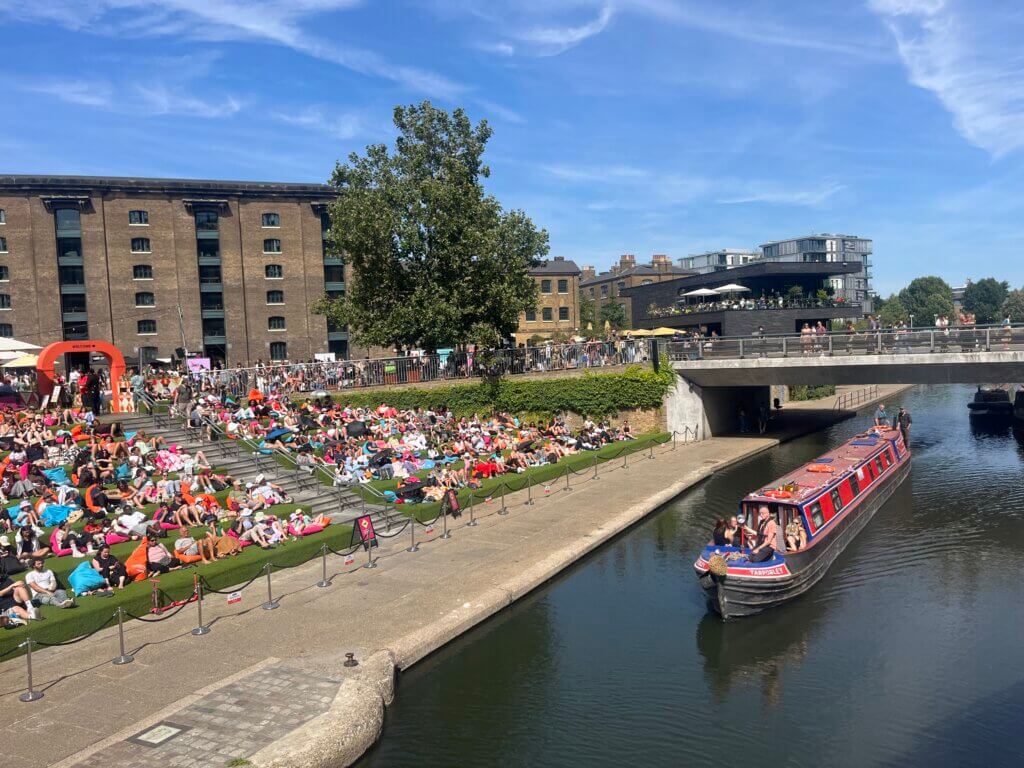
I've been travelling and living in different places for years so it's sometimes hard to pin down a single space, but I could think of a collection of spaces. On the one hand, I like to walk along riverbanks, and I think that connection with the water, it really creates an atmosphere for you to be connected with the kind of wider planet. So, any public space that allows me to be next to water is something that I really value.
Spaces where I can walk without fear is something that, for me, is really, really important. Usually, I love walking by myself and for that experience, I think it's essential to be able to feel, you know, safe, but also enchanted about the nature and whoever is kind of around you.
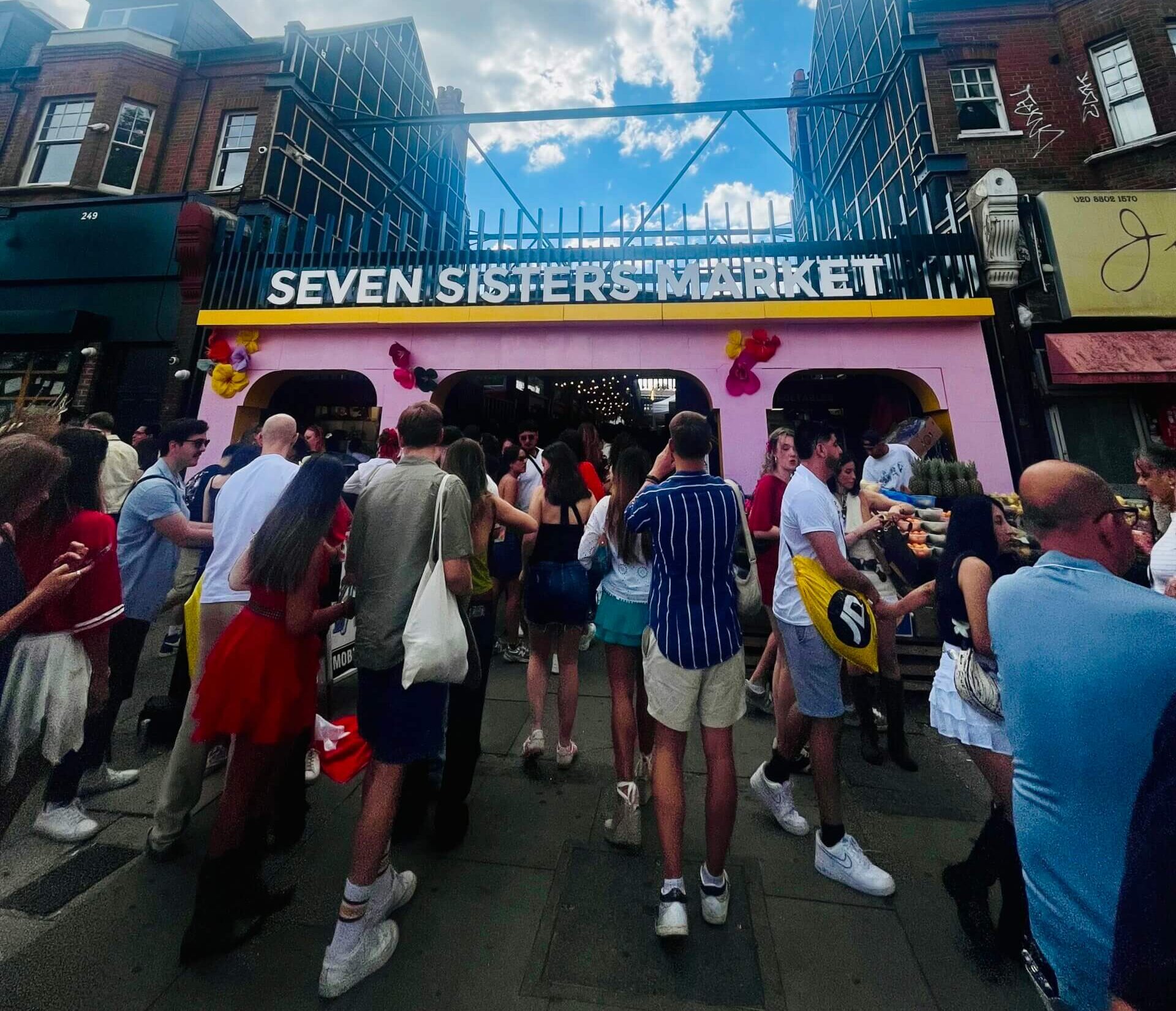
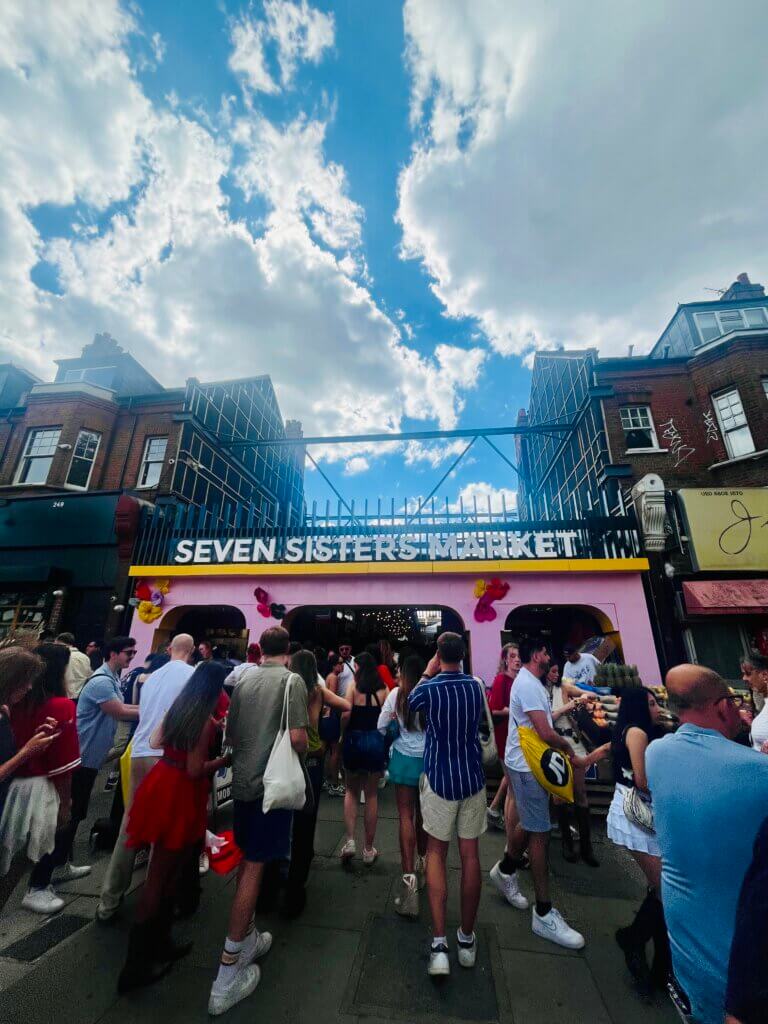
But if we push a little bit the notion of what makes a public space, I also am finding it very beautiful to be in the Seven Sisters Market, in a corner, in North London. I work with community groups there in order to protect these kinds of community assets of the Latin American community. So, we expand the notion of public space towards these spaces of encounter, places that you can feel at home and speak your language and be in contact with your culture. So that's also one of my favourite public spaces, even though it's not a traditional plaza or a traditional kind of space where you pass by, but you stay, you connect, and that ability to connect with others, and feel part of a bigger community, is where I think you find value the most.