Pollinator-centred placemaking
Pollinators—bees, butterflies, moths, beetles, birds, and bats—play a vital role in ecosystems and food production. In 2016, the International Science-Policy Platform on Biodiversity and Ecosystem Services (IPBES) sounded the alarm on global pollinator and insect declines in its Assessment Report on Pollinators, Pollination and Food Production. The key drivers behind these declines include habitat loss, pesticide use, climate change, disease, and invasive species.
Importantly, the IPBES report highlighted the value of native pollinators—not just managed honeybees (Apis mellifera), which have received more attention due to their direct role in pollinating major food crops like almonds, apples, pears, and avocados. According to the WA Museum, Australia is home to an estimated 2,000 species of native bees, many of which remain unnamed and undocumented. In Western Australia alone, there are thought to be at least 800 native bee species, many of them endemic. New research has indicated that high densities of introduced European honeybees in cities, may be having negative impacts on native bee populations.
Australian native bees are remarkably diverse. Many species look and behave quite differently from European honeybees, which means they—and the plants they pollinate—are often overlooked in urban environments. Most city dwellers are unaware of the rich diversity of native bees and the habitats they share with us, the crucial role pollinators play in urban biodiversity and planetary health, or the threats to these tiny urban residents.
In cities worldwide, there's a growing interest in pollinator-centred placemaking — a creative and ecologically meaningful way to foster vital pollinator habitats while educating urban residents about the importance of biodiversity and local ecosystems. In 2020, the city of Curridabat in Costa Rica made headlines by declaring bees, butterflies, birds, bats, trees, and rivers as nonhuman citizens. These principles are now embedded in a biophilic urban planning strategy called Ciudad Dulce (Sweet City). Toronto has also taken a city-wide approach with its Pollinator Protection Strategy, aiming to create pollinator-friendly habitats and corridors across both public and private spaces. Meanwhile, the City of Melbourne has partnered with researchers from the University of Melbourne on the Woody Meadow Pilot Project, showcasing how low-cost, low-maintenance, drought-resistant native plantings can support pollinators and enhance biodiversity in urban spaces.
Not-for-profits are key organisations implementing pollinator-centred placemaking in cities, including in Australia. Working in collaboration with artists, scientists, local governments, and communities, these organisations seek to enhance urban biodiversity through habitat creation, storytelling and education. Pollinator-centred placemaking reimagines everyday urban public and private spaces—street verges, parks, laneways, and gardens—as vibrant habitats that support native pollinators.
WA Loves Nature: supporting Perth's biodiversity
WA Loves Nature (WLN) is a not-for-profit founded in 2017 by Lisa Edwards and Leanne Salter Jones. WLN celebrates Western Australia’s native pollinators and unique biodiversity and integrates these into local placemaking projects connecting public and private spaces. Through initiatives like public pollinator trails and laneway transformations, WLN is helping to reshape the city with ecological care at its heart.
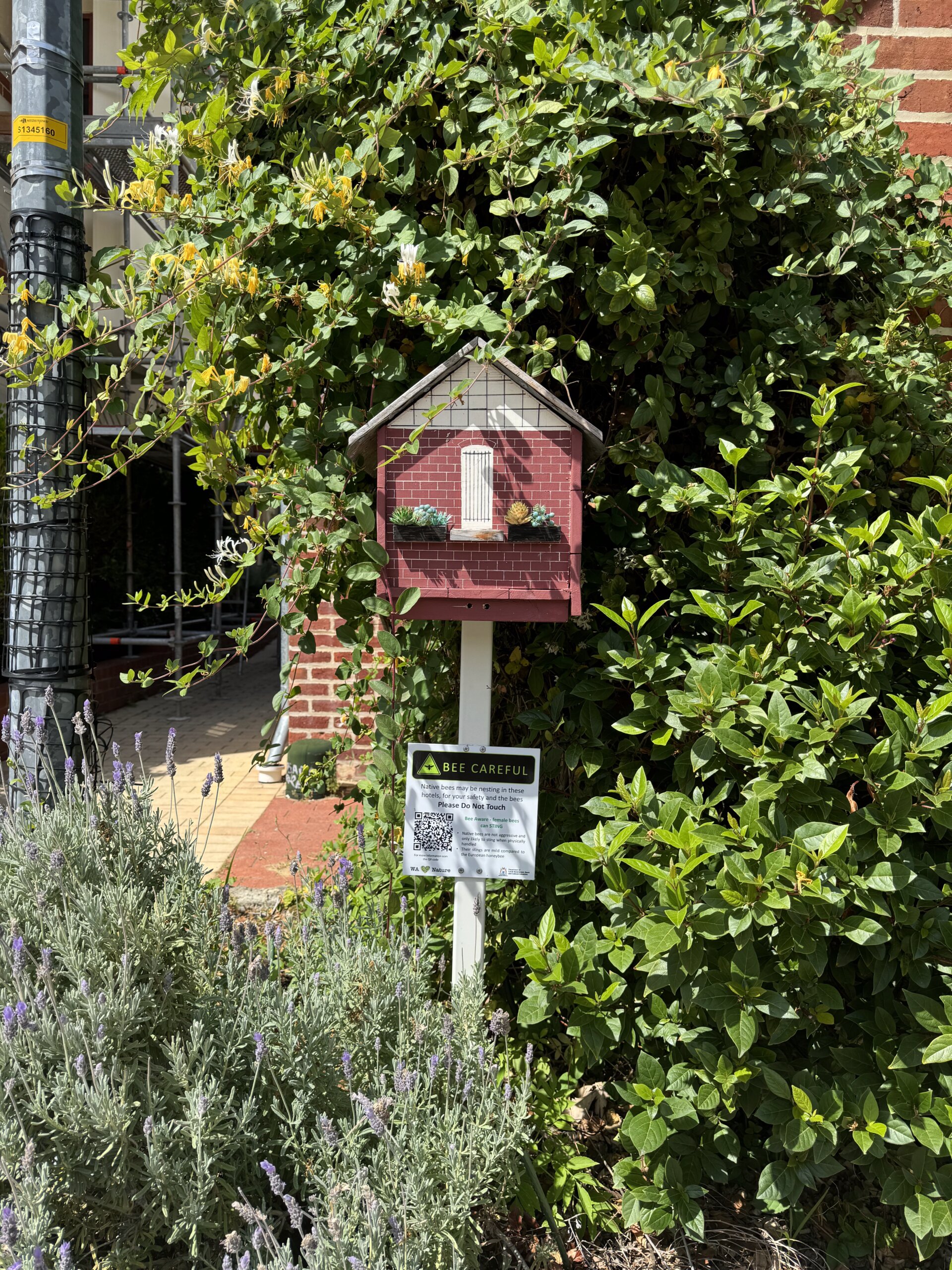
WLN in collaboration with the City of Perth created the Bee Scene West Perth bee trail. The trail features murals and artwork set among wildflower gardens, beautifully designed bee hotels, sculptures, and, of course, native bees. At each stop along the trail, visitors can scan a QR code to learn more about native bees and the plants that support them.
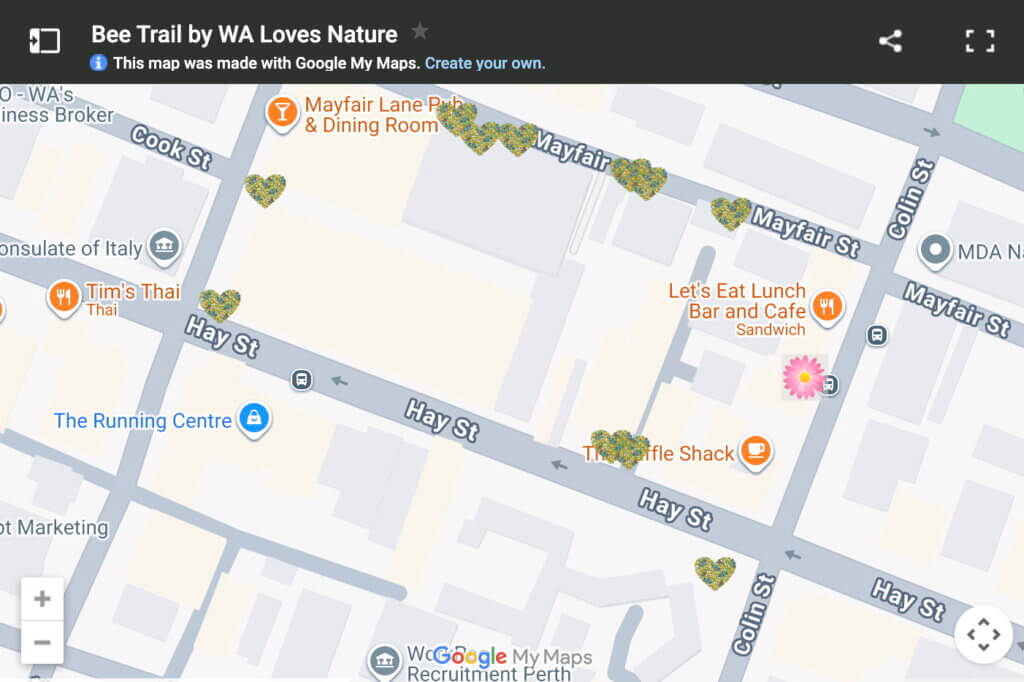
The idea for the Bee Trail, says Lisa Edwards, is to activate public spaces in ways that educate and inspire residents to include more native plants and habitats in their own gardens. This, in turn, helps create vital interlinkages for local biodiversity across the patchwork of public and private spaces in the city.
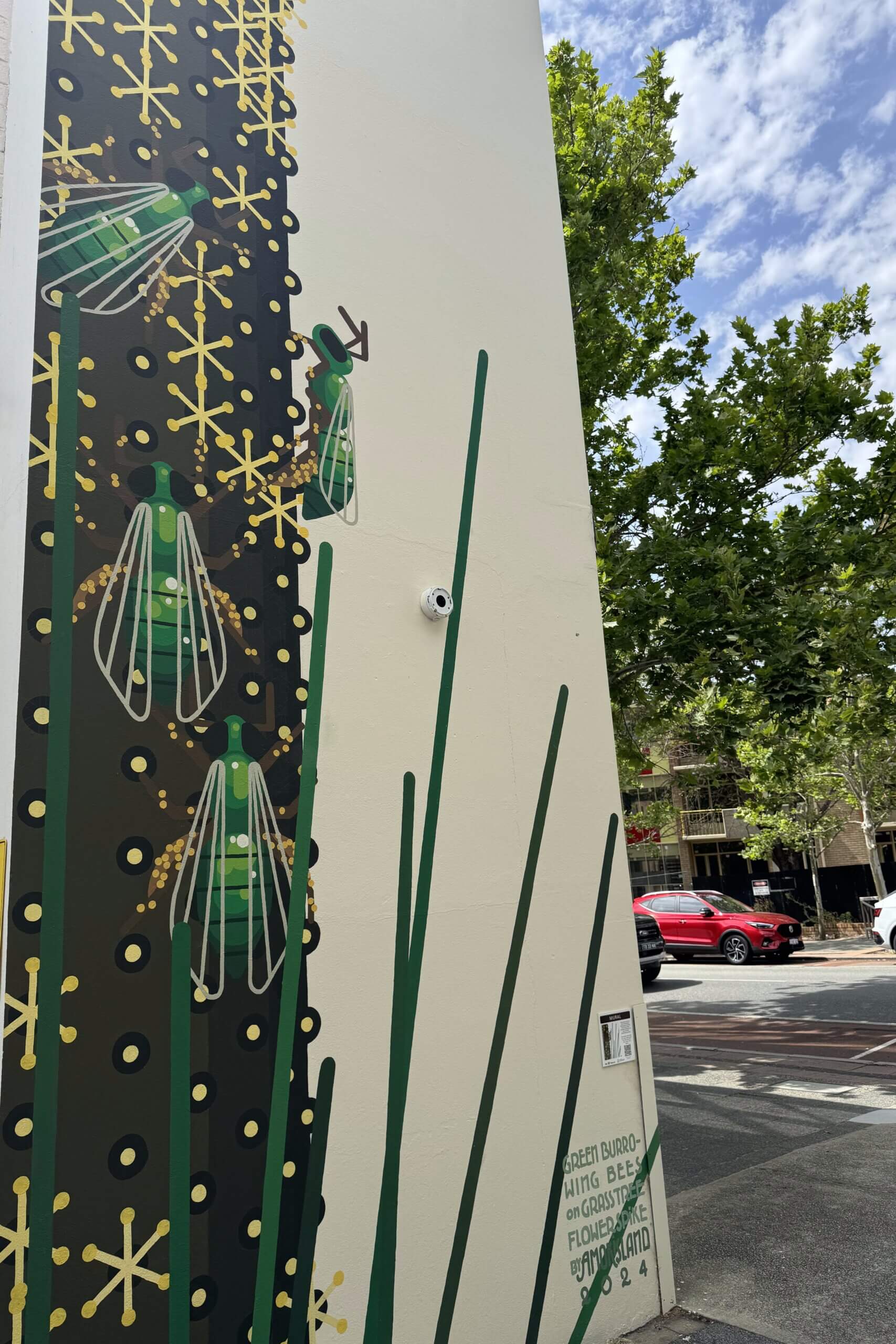
Initiatives like WLN's bee trail show how public art and wildlife gardening can transform our streets and public spaces. Murals, sculptures, and bee hotels don’t just brighten up the urban landscape—they spark curiosity and help people notice the incredible species living all around them.
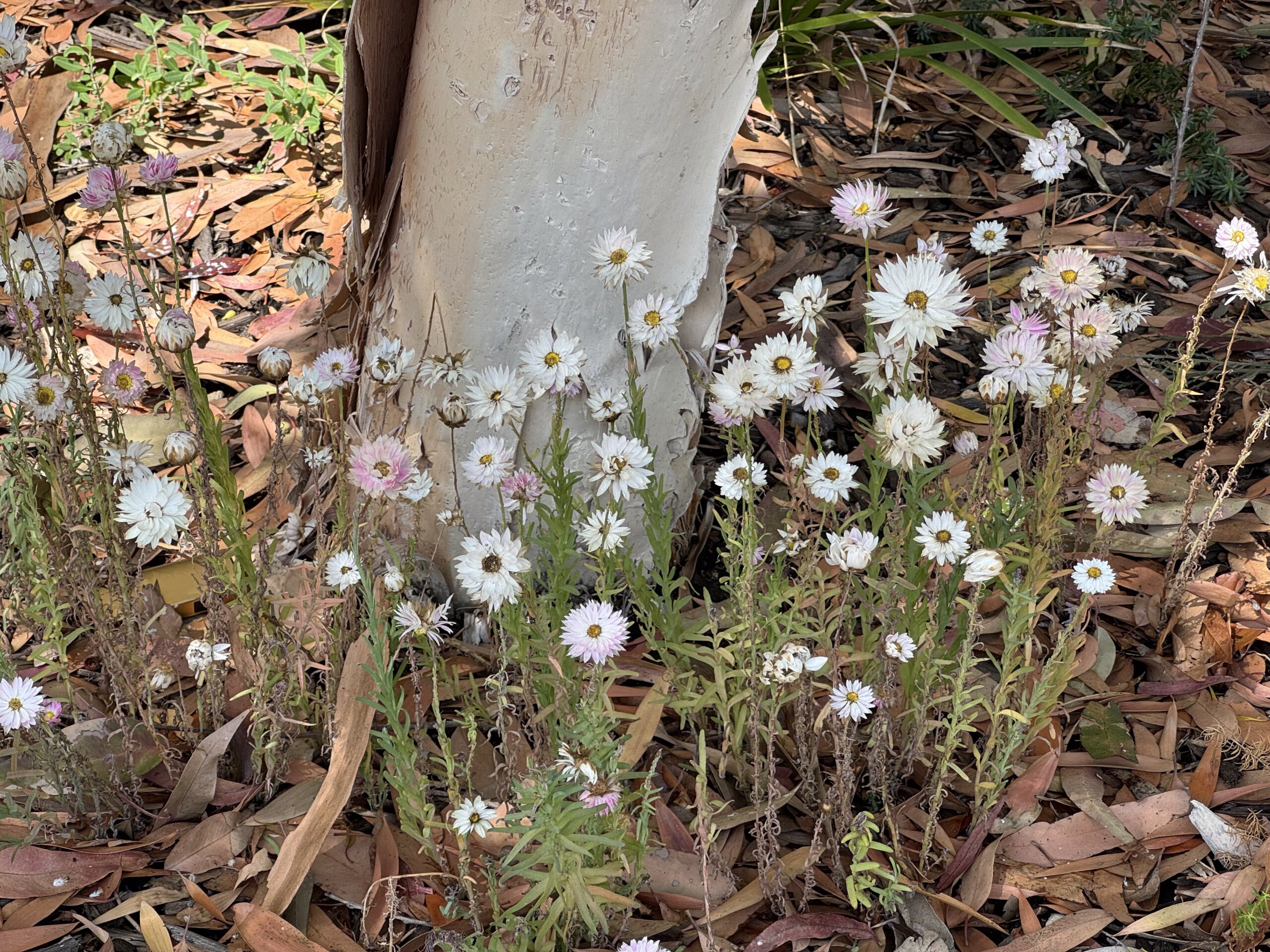
Pollinator-friendly gardening embraces a messier aesthetic. Dead flower heads scatter seeds, while fallen branches and leaf litter offer vital habitat for burrowing insects. It’s a style that prioritises ecological function over neatness, and it’s beautiful in its own way.
Perth sits more or less at the heart of the Southwest Biodiversity Ecoregion—one of just 34 internationally recognised biodiversity hotspots. Yet within the city, this astonishing biodiversity is under threat, largely due to land clearing for housing, roads, and infrastructure.
WLN offers a hopeful counterpoint. It shows how we can reconnect with local ecologies and thoughtfully weave biodiversity into our public streets, parks, gardens, and laneways. In doing so, WLN inspires urban planners, policymakers, and placemakers to create cities that are more nature-rich and habitable for diverse non-human species—helping to pave the way for more comprehensive, pollinator-centred urban strategies across Australian cities.
To learn more about WA Loves Nature and their current projects, visit their website: https://walovesnature.org.au/